
Temperature Sensitive Material Management
Minimize Risk by Using RFID to Manage Sensitive Material
Temperature-controlled components can be found throughout the healthcare supply chain. Among the commodities are blood, medication, and supplies. Given the complexities of supply networks, it is critical that the product arrives safely to the hospital. Radio-Frequency Identification technology can be used to automatically and effectively gather temperature data while assuring that commodities are transported securely.
How it works
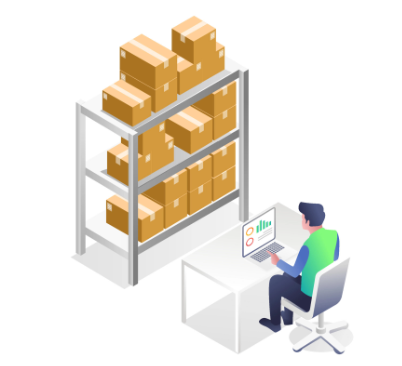
ASSIGN TEMPERATURE LOGGER
Radio-Frequency Identification temperature loggers are linked to and attached to each shipment as part of the supply chain. These data loggers are typically semi-passive Radio-Frequency Identification tags. Temperature logs are kept at regular intervals using the tag's battery.
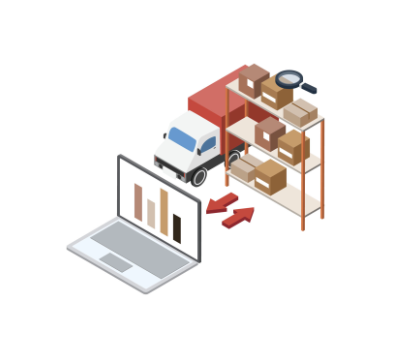
CHECK TEMPERATURE
The Radio-Frequency Identification temperature logger can be checked at various points along the supply chain to ensure that temperature ranges are not exceeded. Other sensing devices may also necessitate the use of additional recorders.

SENSOR DATA
After the data on the sensors has been carefully cleansed, the tag can be reused for subsequent shipments.
Valuable Workflows
TEMPERATURE MONITORING
Using RFID technology, capture historical and present temperature data with temperature recorders and additional RFID handhelds and fixed readers. Take immediate action on any inconsistencies and ensure that product flows securely across a supply chain.
INTEGRATED SUPPLY CHAIN
Several players may be involved in a supply chain to convey commodities. An RFID temperature logger can be used as a medium to act as a chain of custody to secure the integrity of data between parties. It can be used as a unique identifier for a shipment in addition to tracking temperature.