
Asset Management in the Warehouse
Keep Tabs on Your Assets
Inventory control monitors the stock that enters and exits a company’s warehouses and retail outlets. Asset management keeps track of the tools and supplies used by a company to carry out its operations. To put it another way, asset management and inventory management both keep track of a company’s assets.
How it works
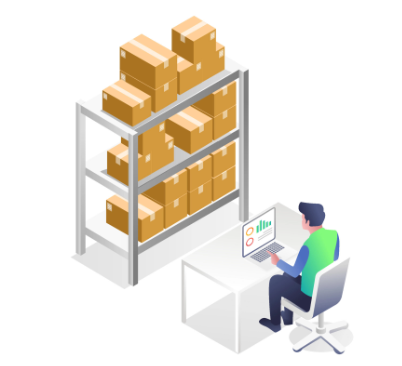
TAG ASSETS
Radio-Frequency Assets are identified using identification labels and tags. If you have any metal assets, look into TagMatiks on Metal Labels. Forklifts, dollies, trolleys, and ladders are all good examples. Every tag is unique and serialises each asset.
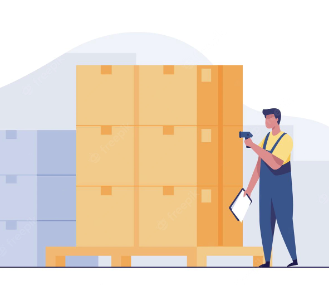
ESTABLISH READ POINTS
To acquire asset locations across your business, use Radio-Frequency Identification handhelds or fixed read zones. Due to the scale of the majority of warehouses and distribution centres, it is advantageous to set up critical read points where assets transit throughout their use so that you can keep track of where they are.

PULL UP REPORTS
Concentrate on the assets you want. Retrieve reports on products that customers have checked out but have not yet returned. Examine an asset's location over time. Describe maintenance schedules to forecast potential asset repairs. Many of these business procedures can be automated with the use of Radio-Frequency Identification.
Valuable Workflows
ASSET TRACKING
Understand the historical and current location of your assets using intelligent data collected from RFID handhelds and key read zones. To keep track of where your assets are, use RFID-enabled workflows such as asset check-in, check-out, or transfer.
AUDIT
RFID-tagged assets, in conjunction with RFID handhelds, can be used to swiftly and precisely audit your assets. If desired, use a guided count to determine whether assets are expected, missing, or matched. If assets are missing, review the exceptions for misplaced assets and take action!