
Returnable Asset Tracking
PINPOINT YOUR RETURNABLE ASSETS
Many assets are returned across industries in a closed loop supply chain. Containers, bins, pallets, and even kegs are some common examples. As part of its life cycle, the asset is returned from a point of use. Businesses must understand the asset’s location as well as its stage in its life cycle. Radio-Frequency Identification allows you to promptly account for the location of assets and expedite corporate asset management processes.
How it works
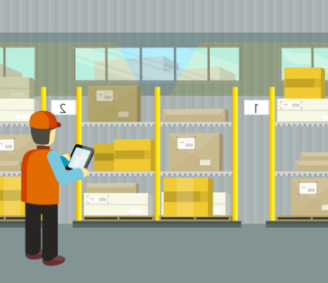
TAG ITEMS
A Radio-Frequency Identification tag or label is attached to the returnable assets. When selecting a tag, keep in mind that returnable items are usually maintained for a long period and are occasionally exposed to elements while moving through the supply chain.
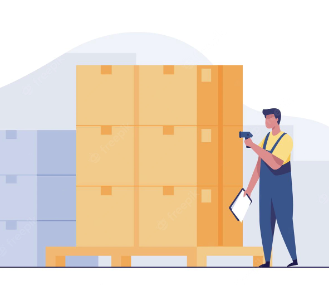
RFID READER
Use radio-frequency identification handhelds or permanent read points strategically placed throughout the supply chain to track asset mobility. An example would be a worker loading a trunk from a customer location while scanning returnable items with an RFID handheld. This would give the user ownership of the assets.

AGGREGATE DATA
Information acquired using Radio-Frequency Identification and other sensing equipment. Recognise where assets have been and where they are now. Plan your use to ensure that resources are used fairly. Check that the same container isn't being used repeatedly while a substitute container sits on the shelf, for example.
Valuable Workflows
CHAIN OF CUSTODY
Document chain of custody with RFID technology when returnable items transit through your supply chain.
AUTOMATE PHYSICAL INVENTORY COUNT
RFID-tagged assets and RFID handhelds can be used to audit your assets quickly and precisely. If you wish to see what assets are expected, missing, or matched, use a guided count. If assets are missing, consider the exceptions for misplaced assets and take appropriate action.